
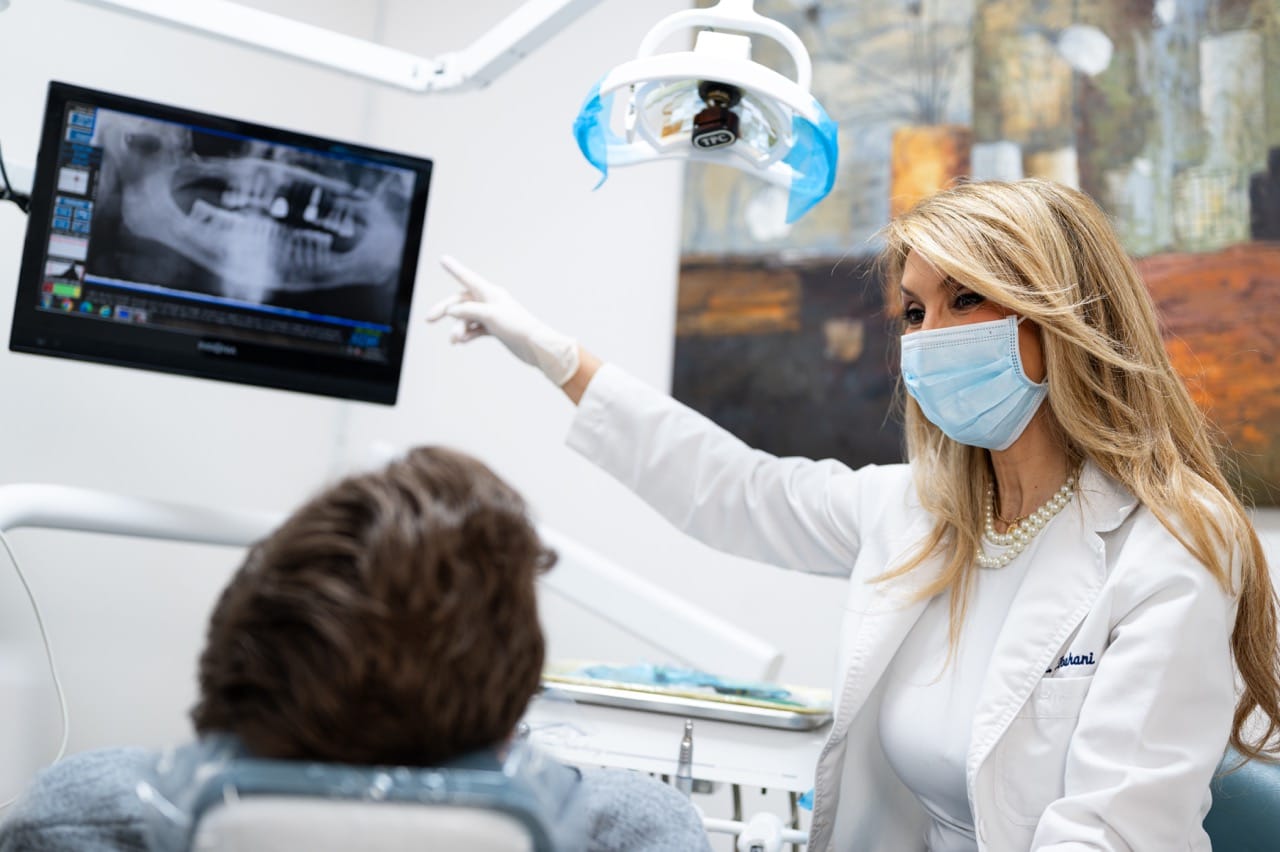
If you are wondering how many times you should brush your teeth, the most reliable answer for most people is simple: brush twice a day. That routine removes plaque before it hardens into tartar, lowers cavity risk, and helps prevent gum inflammation. (R. et al., 2020, pp. 234-240)
That said, the “right” number can change based on your age, braces, gum health, diet, dry mouth, and how you snack during the day. This guide explains the standard recommendation, when brushing more often helps, and when it can actually cause problems.
Most dentists recommend brushing two times per day:
If you only brush once daily, make it before bed. (Consensus on Toothbrushing, 2024)
Sometimes, but not always.
Brushing three times a day can help if:
However, brushing too often or too aggressively can contribute to:
If you brush more than twice a day, use a soft-bristled brush, light pressure, and fluoride toothpaste.
Not always. Timing matters, especially after acidic foods.
Wait at least 30 minutes after eating or drinking acidic foods or drinks before brushing. (Brushing your teeth: How often and when?, 2024)
If you have:
Your enamel can soften briefly. Brushing right away can scrub softened enamel. (Enamel hardness after exposure to acidic drinks and brushing, 2010, pp. 140-144)
Best practice
If you eat something sugary and you cannot floss, brushing later is helpful. If you can do only one thing, do a thorough brushing at night and floss daily.
The frequency matters, but technique is just as important.
Aim for:
An electric toothbrush can make this easier and more consistent, especially for people who brush too hard. (At-home dental care: True or false?, 2025)
Food traps and plaque build quickly. Many orthodontic patients do best with:
If you have gum pockets, inflammation, or a history of periodontitis, your dentist may recommend:
Dry mouth raises cavity risk. You may benefit from:
Brushing more often isn’t the problem in itself. The bigger risk is brushing too hard or using a hard-bristle brush. (Oral Health Tips for Adults, 2024)
Signs you may be overbrushing:
If you see these signs, switch to a soft brush and ask your dentist to review your technique.
A high-performing routine for most people looks like this:
For most people, no. Brushing once daily increases the chance of plaque buildup, cavities, and gum inflammation. (Home use of interdental cleaning devices, in addition to toothbrushing, for preventing and controlling periodontal diseases and dental caries, 2019) If you can only brush once, do it at night.
Two times per day is the standard. Three times a day may help if you have braces, snack frequently, or have a higher cavity risk, but use a gentle technique and avoid brushing immediately after acidic foods. (Brushing your teeth: How often and when?, 2023)
If the meal was acidic, wait about 30 minutes after eating, and rinse with water first. For non-acidic meals, brushing after is fine when needed.
About 2 minutes, twice a day. Consistency and coverage matter more than brushing force. (Tooth brushing habits in uninstructed adults–frequency, technique, duration and force, 2008, pp. 870-875)
Yes, especially if you brush hard or use a hard brush. Overbrushing can wear enamel and irritate gums. (Tooth Wear: Best Evidence Consensus Statement, 2020)
No. Mouthwash can support your routine, but it does not remove plaque as effectively as brushing and interdental cleaning do. (Lyle et al., 2017, pp. 49-54)